Beyond the First Hello: Why Your Follow-Up Appointment Matters More Than Your First
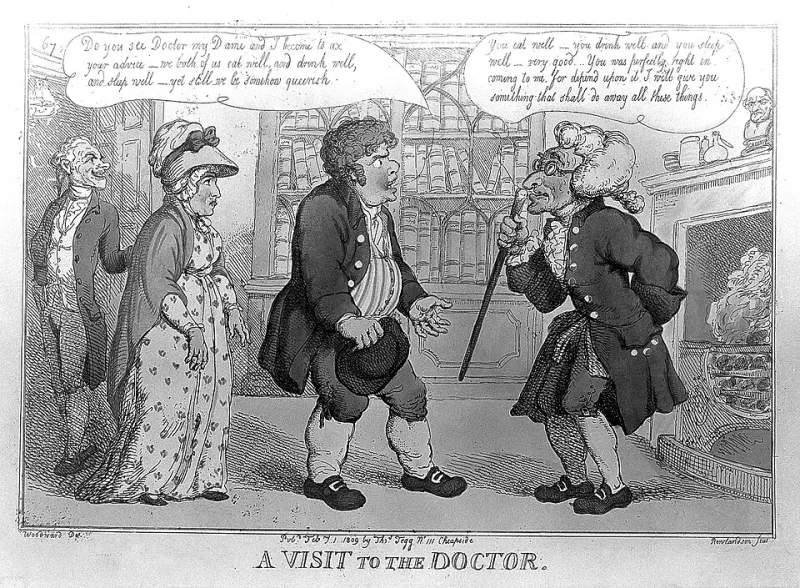
Photo: Unknown, CC BY 4.0, via Wikimedia Commons
First visits get all the attention. There is paperwork, introductions, a full history to review. But ask any physician at a neighborhood clinic where the real work of medicine happens, and most will point to the follow-up appointment.
The second visit is where a plan meets reality. Did the blood pressure medication agree with you? Is the physical therapy actually improving your knee? Did that referral go through? These are questions that can only be answered when a clinician who already knows your story checks back in.
What a Strong Second Visit Looks Like
A meaningful follow-up should never begin with a blank slate. Your physician or nurse practitioner should already have your chart open, with notes from the previous visit and any interim information — lab results, hospital records, messages you sent through the patient portal — ready for discussion.
Expect three things from a quality follow-up:
- A review of the original concern. The reason you came in the first time should be addressed directly, not treated as settled.
- An honest comparison. Are you better, worse, or unchanged? Good clinicians name the outcome plainly.
- A revised plan. If something isn't working, the plan changes. If it is working, the plan gets a clear timeline — when to check back, what would trigger an earlier visit.
If your second appointment feels like starting over, that is worth noticing. Continuity is a feature of good primary care, not a luxury.
The Care That Happens Between Visits
Much of what makes a follow-up productive happens before you arrive. At a satellite clinic, the interval between appointments is active time: staff review incoming lab results, track whether referrals were completed, and flag patients who have not reported progress as expected.
Patients can contribute to this too. Before your follow-up, consider jotting down a few notes: How many nights did symptoms wake you? Did you miss any doses? What changed at home or work? Concrete observations — even rough ones — give your clinician something more reliable to work with than a general sense that things are "about the same."
Returning With Test Results
Follow-up visits built around results deserve particular attention. When you return to discuss labs or imaging, a few questions will help you leave with clarity:
- What exactly was measured, and what does my number mean compared with a normal range?
- Is this a change from my previous results, and if so, how significant is the change?
- Does this result require action, monitoring, or simply reassurance?
- What is the plan if the next result looks different?
It is entirely reasonable to ask a clinician to explain a result in plain language, or to repeat an explanation. A good clinic treats these questions as part of the visit, not an interruption to it.
When the Follow-Up Reveals Something About the Clinic
Follow-up appointments also tell you something important about the place you have chosen for care. A clinic that remembers your context — that your schedule makes mornings hard, that a family member helps manage your medications — is a clinic built around continuity. One that cannot locate your prior visit notes is telling you something too.
This is why we encourage patients to think of the second appointment as the real beginning of a care relationship. The first visit establishes who you are. The second establishes whether anyone is paying attention.
Making Your Follow-Up Count
A short checklist before you return:
- Confirm the appointment purpose when scheduling, so the right amount of time is reserved.
- Bring your medication list, including anything purchased over the counter.
- Write down your two or three most important questions and lead with them.
- Ask, before you leave, when the next touchpoint should be — and whether it should be a visit, a phone call, or a portal message.
Continuity of care is not an abstract quality. It is built one return visit at a time, in the small consistency of a clinician who remembers, follows up, and adjusts. The second visit is where that promise is either kept — or quietly revealed to have been something less.