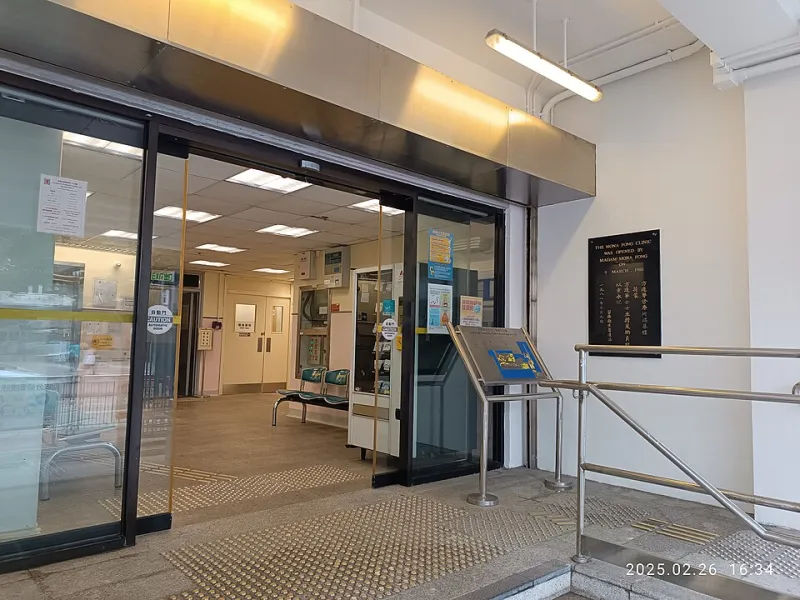
Before the Doctor Walks In: Making the Most of Your Minutes in the Lobby
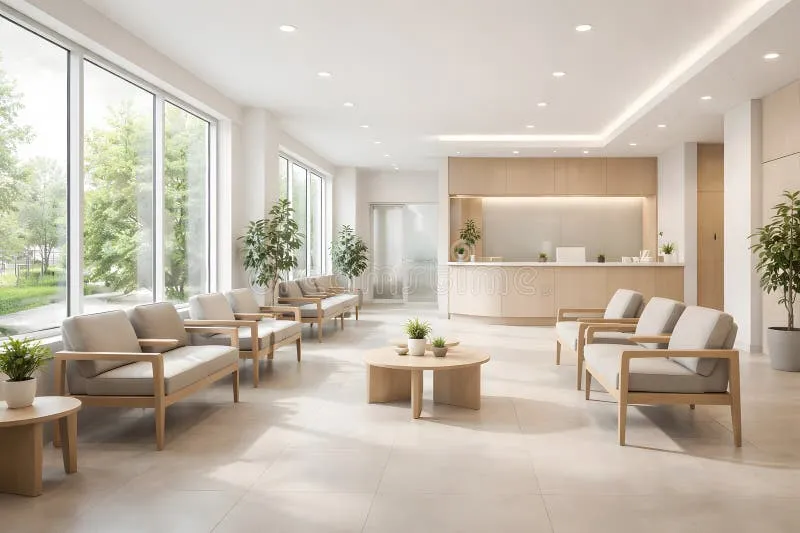
Photo: calm modern medical clinic waiting room with natural light and comfortable seating, via thumbs.dreamstime.com
Most patients think of the waiting room as dead time—a necessary pause between the parking lot and the exam table. At Ariyoshi Satellite Clinic, we see it differently. The minutes you spend in our lobby are part of your care, and what happens there influences everything that follows: how relaxed you feel, how clearly you remember your symptoms, and how honest a conversation you're able to have with your physician.
Why the Lobby Matters More Than You Think
Research on patient experience has long shown that anxiety peaks in the moments before an appointment begins. A noisy, cluttered, or impersonal waiting area can heighten that stress, while a calm, thoughtfully arranged space does the opposite. That matters clinically, not just cosmetically—patients who feel at ease tend to describe their symptoms more completely and ask more of the questions they came in with.
This is why we pay attention to details that might otherwise go unnoticed. Soft, natural lighting instead of harsh fluorescents. Seating arranged to offer both community and privacy, so a patient discussing a sensitive concern at the check-in desk isn't overheard. Clear signage and short sight lines, so you always know where you are in the process. None of these choices is accidental; each is designed to lower the temperature of a visit before it begins.
Privacy Starts at the Front Desk
One detail patients frequently mention is the check-in experience. Speaking your date of birth aloud in a crowded room can feel exposing, and worrying about who's listening makes it harder to relax. Our front desk is positioned to keep those exchanges discreet, and our staff are trained to speak quietly and confirm details without repeating them back across the room.
If you ever feel a check-in conversation is difficult to hear or you'd prefer to step aside, simply say so. Patient comfort with these small logistics is part of the trust we're working to build.
Five Ways to Use Your Waiting Time Well
The pre-visit window is also an opportunity. Rather than scrolling through your phone with half your attention, consider a short routine that makes the appointment itself more effective:
-
Write down your top three concerns. Appointments are finite, and it's easy to forget the dizziness you noticed last Tuesday. A brief list keeps the conversation focused on what matters most to you.
-
Note when symptoms started and what makes them better or worse. Specific timelines and triggers give your physician far more to work with than general impressions.
-
List your medications—or bring the bottles. This is one of the most valuable things a patient can do. Include over-the-counter products, vitamins, and supplements.
-
Jot down the questions you're embarrassed to ask. The waiting room is exactly the right place to write "Is this normal?" before you talk yourself out of it in the exam room.
-
Take three slow breaths. It sounds simplistic, but a moment of deliberate calm measurably lowers the physical stress response—and a calmer patient hears and retains more of what the doctor says.
If you'd rather not manage this on paper, ask our front desk about the pre-visit questionnaires available through our patient portal. Completing one from your phone in the lobby works just as well.
What Your Waiting Room Says About a Practice
Patients often judge a clinic by its lobby without realizing they're doing it—and honestly, that instinct isn't wrong. How a practice treats the hours before and after the exam says a great deal about how it treats the exam itself. A waiting room that is clean, calm, and respectful of your privacy reflects a philosophy that extends behind the clinical door: that your time, comfort, and dignity are part of the treatment.
We also believe waiting should be the exception, not the rule. Our scheduling model is built around realistic appointment lengths precisely so that lobby time stays brief. When waits do happen—an emergency across town, a complicated case that ran long—we'll tell you honestly and give you the choice to reschedule if the delay doesn't work for you.
An Invitation
Next time you visit, treat those minutes as yours. Arrive a little early, settle in, jot down your questions, and let the space do its quiet work. By the time your name is called, you'll be ready—not just present—for the conversation that follows.
That, we believe, is what care close to home should feel like: considered from the moment you walk in, long before the doctor says hello.