Don't Let Your FSA Lapse in December: Using Neighborhood Clinic Visits to Spend Down Health Dollars Wisely
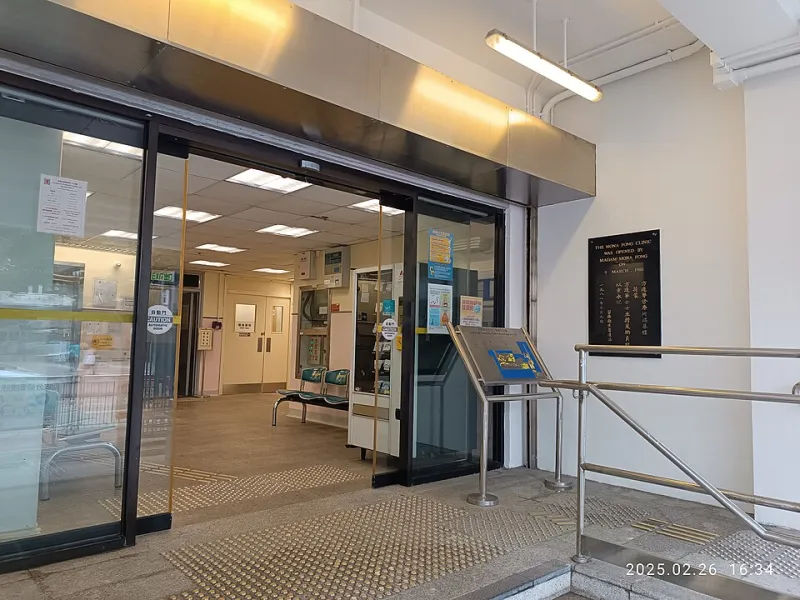
Photo: Ha Lunm Yutmncsoe, CC0, via Wikimedia Commons
Every autumn, millions of Americans receive the same quiet reminder from their benefits portal: unused funds in a flexible spending account do not roll over indefinitely. For most FSA participants, the deadline falls on December 31, though some employers offer a grace period into early spring or permit a modest carryover. Health savings accounts, by contrast, roll over year to year — but many account holders still prefer to align spending with their annual deductible planning.
Whatever your account type, the weeks between Thanksgiving and New Year's are when clinics see a pronounced surge in scheduling demand. Understanding what to book, what to ask for, and what documentation to keep can make the difference between forfeiting funds and finishing the year genuinely healthier.
What a Year-End Visit Can Reasonably Accomplish
A satellite clinic is well suited to the kinds of services most commonly flagged as eligible expenses. Depending on your plan and any prior authorization requirements, these frequently include:
- Annual physical examinations and Medicare wellness visits
- Seasonal influenza vaccinations and other routine immunizations
- Blood pressure, cholesterol, and glucose screenings
- Sick visits for lingering respiratory or seasonal complaints
- Prescription renewals and medication reviews
- Laboratory work ordered during a visit
A word of caution is warranted here. Not every service is automatically reimbursable, and rules vary by plan. Over-the-counter medications became broadly FSA-eligible under recent federal legislation, but cosmetic services and expenses already reimbursed by insurance generally are not. When in doubt, ask the clinic's front desk or your plan administrator before assuming coverage.
The Receipt Question: Why Itemized Documentation Matters
Reimbursement rarely happens automatically. Most FSA administrators require an itemized receipt showing the date of service, the provider's name, a description of the service, and the amount paid — and they will reject a bare credit card slip.
This is where a neighborhood clinic often outperforms a large urgent care chain. Because satellite clinics maintain continuity with their patients, records can be generated and reissued accurately, and front-office staff are generally accustomed to providing documentation in the exact format administrators require. If your receipt arrives incomplete, a call to the same office you visited — staffed by people who know your chart — resolves the issue faster than a national billing helpline.
Patients using HSAs should retain documentation as well. While you are not required to submit receipts at the time of purchase, the IRS can ask you to substantiate tax-free withdrawals years later. A folder, physical or digital, devoted to medical receipts is an inexpensive form of insurance.
Why December Appointments Vanish
Clinic calendars in the final weeks of the year fill for three converging reasons: patients spending down FSAs, families using holiday time off to schedule deferred appointments, and insurers resetting deductibles on January 1, which makes late-year completion of already-met deductibles financially attractive.
The practical takeaway is simple. If you anticipate needing a physical, a vaccination, or a follow-up visit, book in early November rather than mid-December. Satellite clinics, with their emphasis on access and shorter appointment backlogs, often retain more late-year availability than hospital-affiliated practices — but even that advantage erodes as the calendar pages turn.
A Short Checklist Before You Book
- Check your balance. Log into your FSA or HSA portal and confirm your remaining funds and your plan's specific deadline.
- Verify eligibility. Confirm with your administrator which planned services qualify under your particular plan.
- Schedule early. Call the clinic several weeks ahead of your target date.
- Request itemized documentation at checkout, not weeks later.
- File everything. Store receipts with your tax records.
Care That Pays You Back
The most satisfying way to use expiring health dollars is not a last-minute scramble but a planned visit that addresses something you would benefit from anyway — a screening you have postponed, a vaccination you have delayed, a medication review you have meant to schedule. The deadline simply supplies the deadline. The care itself is the point, and a clinic close to home makes it considerably easier to reach before the year runs out.