It's 2 PM on a Sunday and Your Child Has a Fever: An After-Hours Decision Guide

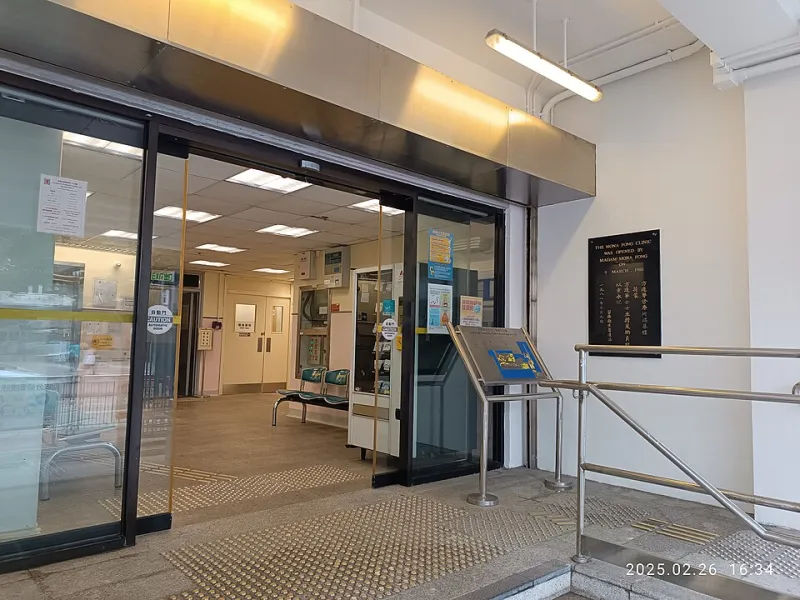
Photo: Kalispera Dell, CC BY 3.0, via Wikimedia Commons
Illness has never been particularly respectful of office hours. Fevers climb on Friday evenings, sore throats announce themselves on Saturday mornings, and rashes seem to appear only when your primary care clinic's lights are off. At Ariyoshi Satellite Clinic, we hear the same question from patients every week: I don't feel well right now — do I wait, call, come in, or go to the ER?
It's a fair question, and the answer matters. Choosing the right setting for after-hours care affects not only how quickly you're seen, but also how much you pay and how well your regular care team can follow up afterward.
Why the Setting You Choose Matters
In the United States, the difference between an urgent care visit, a weekend clinic appointment, and an emergency room trip can be hundreds — sometimes thousands — of dollars for the same complaint. A sprained ankle evaluated at an urgent care center might cost $150 with insurance; the same X-ray in a hospital emergency department can run ten times that.
Cost aside, continuity matters. When your after-hours visit connects back to your primary care record, follow-up is smoother. That's one reason we extended our Saturday hours: so that patients who need same-day attention don't have to start from scratch with a provider who has never seen their chart.
Know Your Options Before You Need Them
The worst time to research after-hours care is while you're holding a sick child at 8 PM. Take ten minutes this week to note the following:
- Your clinic's weekend and holiday hours, including any same-day appointment slots
- The nurse advice line associated with your insurance plan or clinic
- The nearest urgent care centers and their typical wait times
- The closest emergency department, for genuine emergencies
Write these down or store them in your phone. Preparation converts a stressful evening into a manageable one.
A Simple Decision Tree for After-Hours Care
When symptoms appear outside regular hours, work through these questions in order.
1. Is it life-threatening? Call 911 or go to the nearest emergency room for chest pain, difficulty breathing, stroke symptoms (facial drooping, arm weakness, slurred speech), uncontrolled bleeding, severe head injuries, or loss of consciousness. Never drive yourself if you may faint.
2. Could a nurse answer this by phone? Many concerns — a low-grade fever in an otherwise healthy adult, a mild rash, questions about a medication dose — can be resolved with a call to a nurse line. Nurses are trained to triage: they can reassure you, suggest home care, or tell you plainly that you should be seen. A five-minute call can save a two-hour wait.
3. Can it wait until regular hours? Some problems — a mild earache that started tonight, a small cut that has stopped bleeding — are often safe to monitor until Monday, especially if symptoms are stable. Your nurse line can help you judge.
4. Do you need same-day evaluation? For issues that shouldn't wait but aren't emergencies — a fever above 103°F, a suspected UTI, a sprain, a worsening sore throat — check your clinic's weekend hours first. If we're open, we can often see you the same day, and your visit lands directly in your medical record. If we're closed, an in-network urgent care center is the next best stop.
5. Is follow-up likely to be needed? If so, prefer the setting that shares records with your primary care provider whenever possible. It makes the next appointment more productive.
Making the Follow-Up Seamless
After-hours care works best when it's a bridge, not a detour. A few habits help:
- Keep your paperwork. Save discharge instructions and any prescriptions you're given.
- Request records transfer. If you were seen elsewhere, ask that the visit summary be sent to your primary care clinic.
- Book a follow-up within a week for anything involving prescriptions, injuries, or symptoms that haven't resolved.
- Update your medication list. After-hours providers often add temporary medications; make sure your regular team knows.
The Takeaway
After-hours illness is inconvenient, but it doesn't have to be chaotic. Know your options, keep the decision tree handy, and lean on phone triage before committing to a waiting room. And when the weekend brings something that needs a doctor's eyes, we'll be here — with your chart, your history, and the time to look at both.
If you're unsure whether our Saturday hours are right for your situation, call ahead. A quick conversation with our staff can often tell you exactly what you need.