When the Walk-In Clinic Stops Working for You: Five Signals It's Time for a Primary Care Home
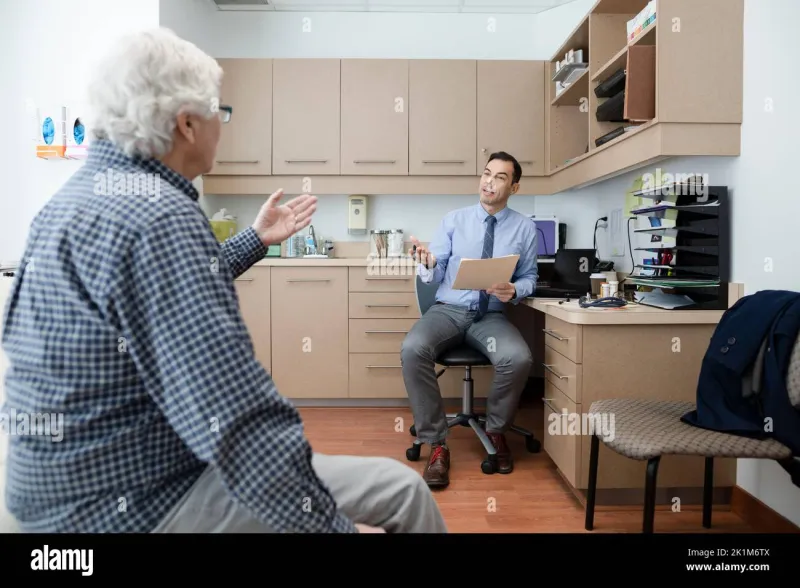
Photo: friendly doctor talking with patient in small neighborhood clinic exam room, via c8.alamy.com
Walk into any urgent care center on a Saturday afternoon and you will find a familiar scene: sore throats, sprained ankles, and a steady stream of people seeking a prescription refill. Urgent care fills a genuine need in the American healthcare landscape, and this is not an argument against it.
It is, however, an observation about a pattern we see often at Ariyoshi Satellite Clinic: patients who began using urgent care for convenience and gradually found it had become their only point of contact with the healthcare system. If any of the following five signals sound familiar, it may be time to consider a primary care home.
1. You've Made Three or More Walk-In Visits This Year
A single urgent care visit for a sinus infection is reasonable. A pattern—three, four, five visits in twelve months—suggests something recurring that no one has actually investigated. Recurrent infections, persistent fatigue, or blood pressure that keeps reading high all deserve a clinician who has watched them over time, not a stranger seeing them for the first time.
2. You Rely on Urgent Care for Prescription Refills
Refill-only visits are one of the most common reasons patients default to walk-in clinics. But a refill without a review is a missed opportunity. Medications for blood pressure, diabetes, cholesterol, and asthma are not static; dosages change, side effects emerge, and cheaper or more effective alternatives periodically become available. A primary care team can often handle refills without a visit at all—through the patient portal or a nurse line—while keeping the bigger picture in view.
3. You Have a Chronic Condition No One Is Tracking
Diabetes, hypertension, high cholesterol, and asthma are managed, not cured. Managing them well requires trend lines: A1c values compared across months, blood pressure averages across visits, inhaler technique checked more than once a year. Episodic care can hand you a number; only continuity can tell you what the number means and where it is heading.
4. Your Records Live in Five Different Places
Every urgent care visit generates a record that your other providers may never see. Duplicated imaging, conflicting medication lists, and an allergy history that gets re-collected at every new front desk are the predictable results. A primary care home serves as the hub of your medical record—coordinating specialist referrals, reconciling medication lists, and making sure the left hand knows what the right hand prescribed.
5. You're Paying More and Getting Less
The financial argument deserves plain language. Many insurance plans, including Medicare Advantage plans common here in the US, structure copays so that a primary care visit costs significantly less than urgent care—and far less than an emergency room visit for a non-emergency. Beyond the copay, fragmented care tends to generate duplicate tests and missed preventive services that would have cost nothing at a scheduled visit.
What a Primary Care Home Actually Offers
A primary care home is not simply a place to go when you are sick. It is a standing relationship: a physician who knows your history, a nursing team that follows up on labs and hospitalizations, and a front desk that can get you seen—often same-day—when something acute comes up.
At Ariyoshi Satellite Clinic, that relationship is the entire point of our model. We offer same-day sick appointments for established patients, chronic disease monitoring, preventive screenings, and care coordination with local specialists and hospitals.
None of this requires you to give up urgent care entirely. Sprains, stitches, and after-hours accidents still belong there. But for the ongoing work of staying healthy—and for the conditions that quietly shape long-term outcomes—a clinic that knows you will almost always serve you better than a clinic that is meeting you for the first time.
If you are ready to make that shift, schedule a new-patient visit. Bring your medication list and your questions. We will take it from there.