More Minutes, Better Medicine: Why Neighborhood Clinics Are Retiring the Rushed Visit

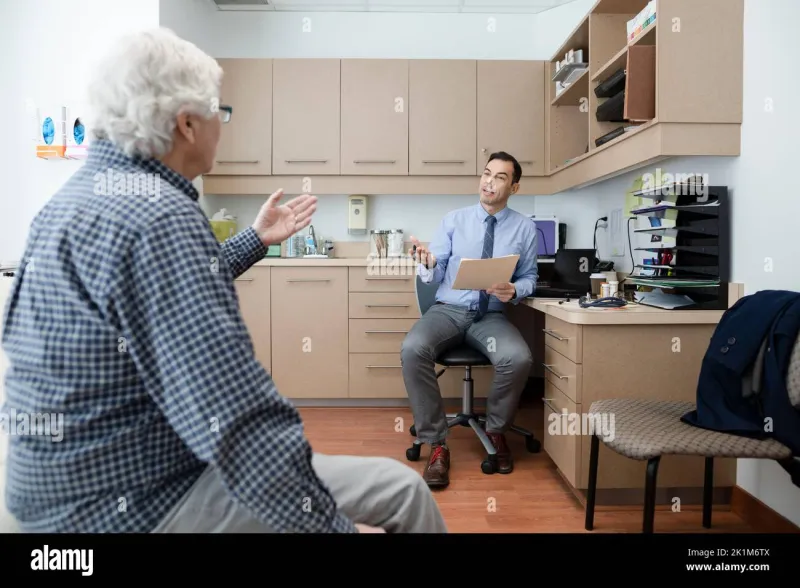
Photo: doctor listening attentively to patient unhurried consultation small clinic, via img.freepik.com
Somewhere along the way, American primary care agreed to a strange bargain: medicine would be delivered in fifteen-minute increments, and everyone would pretend that was enough. Enough to hear a full history. Enough to earn a stranger's trust. Enough to explain a new diagnosis, answer questions, and plan what comes next. It was never quite enough, and patients have known it for years.
We believe the tide is turning—and that satellite and neighborhood clinics, unburdened by the volume demands of large hospital systems, are showing what comes next.
Where the 15-Minute Visit Came From
The short visit was not designed by physicians. It evolved from scheduling conventions, payer structures, and the economics of high-volume practice. When a clinic must see forty patients a day to stay solvent, the calendar does the clinical decision-making. The result is a visit that optimizes for throughput rather than understanding.
The costs are well documented: missed or delayed diagnoses, fragmented follow-up, and the quiet erosion of the patient-provider relationship that primary care is supposed to be built on.
What Extra Time Actually Changes
This is not a call for leisurely appointments as a luxury. Time changes outcomes in concrete ways.
Diagnosis improves. Many common conditions—early heart failure, thyroid disorders, depression layered over chronic disease—do not announce themselves in the first five minutes. They emerge from a careful history, a patient who is not interrupted, and a clinician with room to think. A study of diagnostic error research has repeatedly linked rushed visits to missed and delayed diagnoses; the fix is not more technology first, but more listening first.
Trust gets built. Patients disclose more when they believe the person across from them is not watching the clock. That disclosure—about medication nonadherence, memory concerns, or trouble affording a prescription—is often the single most clinically important information in the visit.
Follow-through happens. A longer visit allows for a real conversation about the plan: what to watch for, when to call, what happens next. Patients who understand their plan return for follow-up. Patients handed a printout they did not discuss often do not.
The Structural Advantages of the Smaller Clinic
Neighborhood clinics can restructure the visit because they control their own calendars. At Ariyoshi Satellite Clinic, the model rests on three commitments.
Longer standard visits. Booking in longer blocks means clinicians can address more than the chief complaint. The patient who comes in for knee pain can finally mention the dizziness she has been sitting on for months.
Same-day access. When a clinic reserves capacity for acute needs, patients stop sitting on symptoms until they become emergencies. Timely access and unhurried visits are two sides of the same design choice: fewer patients crammed into a day, seen when they actually need to be seen.
Team-based care. Medical assistants, nurse practitioners, and coordinators share the work of preparation, education, and follow-up so that the provider's face-to-face time is spent on judgment and conversation—not paperwork. The visit extends beyond the exam room.
An Honest Caveat
Longer visits are not a cure-all, and we will not pretend otherwise. Some concerns genuinely take five minutes. Longer scheduling blocks mean fewer same-day slots unless a clinic deliberately holds capacity, which requires discipline and a willingness to trade revenue for access. Team-based care only works when every role is staffed and respected.
But these are solvable problems of design. The 15-minute visit, by contrast, is a problem of philosophy—and philosophy is what smaller clinics are free to change.
A Different Kind of Appointment
Imagine a visit where your clinician sits down without a screen between you, asks what else is on your mind, and has time to hear the answer. Where the follow-up call comes from someone who remembers your name. Where you can be seen the same week—or the same day—instead of being triaged by an advice line.
This is not nostalgia for house calls. It is a practical argument, increasingly backed by outcomes data, that proximity plus time produces better medicine. Neighborhood clinics are leading the way not because they are small, but because they are structured to put the relationship back at the center of care.
The rushed visit is not dying because patients demanded it, though they have. It is dying because enough clinics have demonstrated there is a better way to practice—one appointment at a time, close to home.