The Clipboard Before the Care: Decoding the Questions on Your New Patient Forms

The clipboard arrives before the physician does. At Ariyoshi Satellite Clinic, as at most primary care practices across the United States, your first appointment begins with a stack of forms — insurance details, medication lists, and a health history questionnaire that can run several pages. It's tempting to rush through it, skimming the sections that seem minor. But each question earns its place, and understanding the reasoning can change how you answer — and what you get out of your first visit.
Why Family History Gets Its Own Section
Questions about your parents' and siblings' health aren't idle curiosity. Family history is one of the most powerful, low-cost screening tools in medicine. A father's early heart attack or a mother's breast cancer diagnosis shifts how we interpret your numbers, how often we schedule certain screenings, and when we recommend starting them.
If you don't know every detail, say so — "unknown" is a legitimate answer. But call a relative before your appointment if you can. A rough timeline of major conditions in your immediate family gives your care team a baseline that no blood test can replicate.
The Pharmacy Question That Saves You a Trip
We ask for your preferred pharmacy's name and location for a practical reason: it determines where your first prescription lands the moment your visit ends. When this field is left blank or filled in incorrectly, prescriptions stall. A medication that should be ready by dinnertime may sit unresolved for days while the clinic and the pharmacy sort out the mismatch.
Include the pharmacy's cross street or branch if there are multiple locations in town. In many US communities — ours included — two chain pharmacies can share a name within a mile of each other.
Who Lives at Home — And Why a Clinic Needs to Know
This question catches new patients off guard more than any other. The answer shapes real clinical decisions. A patient recovering from surgery who lives alone needs a different discharge plan than one with a spouse or adult child at home. A household with young children affects how we counsel on contagious illness. A caregiver in the house may be the person who manages medications, schedules appointments, and notices symptoms first.
We also ask for an emergency contact for the same reason: care doesn't happen in a vacuum. Knowing who's in your corner helps us communicate appropriately, with your permission, when it matters.
The Medication List: Precision Over Memory
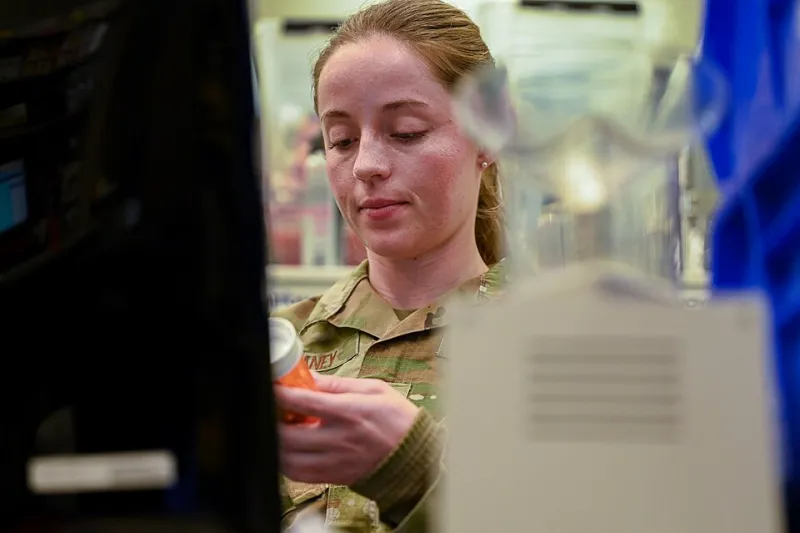
Rather than writing "blood pressure pill," photograph your bottles before you come in. Include over-the-counter products, vitamins, and supplements — many patients don't realize that herbal products and daily ibuprofen interact with prescription medications in clinically meaningful ways. Dosages matter. So does the pharmacy where each prescription was filled, which helps us reconcile records across systems.
Honesty Is the Fastest Route to Good Care
Questions about alcohol, tobacco, sleep, and mental health are asked for one purpose: to care for the whole person, not to judge. These answers are protected health information under federal law. A candid answer here often prevents a longer diagnostic detour later.
What Happens to the Paperwork After You Hand It Back
Your forms don't vanish into a drawer. A nurse or medical assistant reviews them before your physician enters the room, flagging items that need follow-up — a family history of colon cancer, a medication that warrants lab work, a home situation that affects recovery planning. By the time your doctor knocks on the door, the visit has already begun.
Filling out these forms thoughtfully takes an extra ten minutes. Those minutes are, in a very real sense, the first contribution you make to your own care plan — and one of the most consequential.