A Patient's Field Guide to Small Signals: What the Details Around a Clinic Quietly Tell You
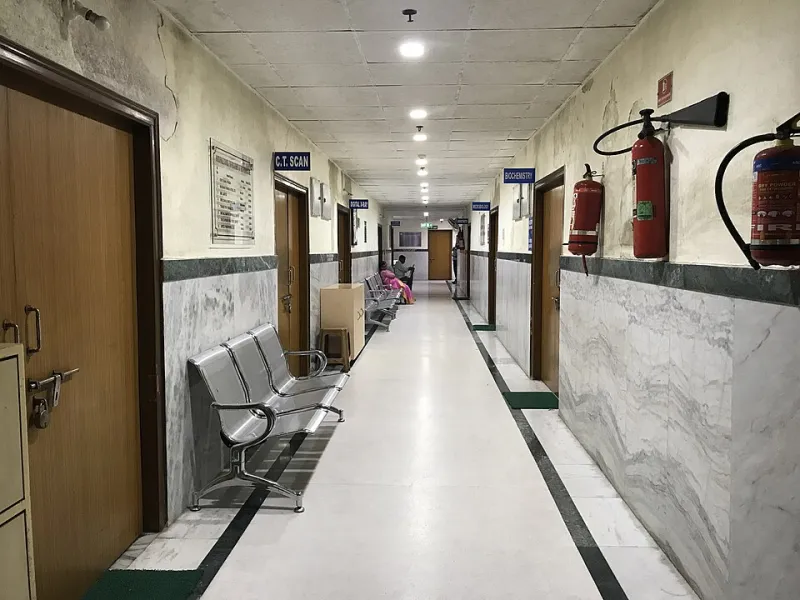
Photo: Indrajit Das, CC BY-SA 4.0, via Wikimedia Commons
Choosing a new physician is usually framed as a matter of credentials: board certifications, hospital affiliations, online ratings. Those matter. But long before a clinician reviews your history, a medical practice has already told you a great deal about itself — not through marketing materials, but through dozens of small operational details that most patients never think to examine.
At Ariyoshi Satellite Clinic, we believe patients deserve transparency not only inside the exam room but in everything surrounding it. What follows is a practical framework for evaluating any clinic — including ours — using nothing more than attentive observation.
The Telephone Is the First Examination
Your assessment begins before you arrive. Call the office with a simple, ordinary question — whether the practice accepts your insurance plan, for instance, or how early you should arrive for lab work. Then pay attention to three things.
First, how many menu options must you navigate before reaching a human being? An endless automated tree suggests an organization optimized for volume rather than access. Second, how long is the hold? Occasional delays happen everywhere, but a consistent pattern of ten-minute waits on a Tuesday morning tells you something about staffing decisions. Third, and most telling: does the person who answers have the authority to help you, or must every question be transferred? Practices that empower their front-line staff typically empower their clinical staff as well.
Corridors and Corners: The Unglamorous Evidence
Once inside, resist the urge to evaluate only the reception area — most practices furnish their lobbies well precisely because patients look there. The more honest indicators are peripheral.
Walk (or glance) down the hallway on your way to the exam room. Are supply carts organized or overflowing? Are doors labeled clearly, or do staff members open them hesitantly? Is there a pile of unopened deliveries near the back entrance? None of these details affects your diagnosis directly, but clutter in clinical spaces frequently correlates with cluttered workflows — and cluttered workflows produce lost lab results and dropped follow-ups.
Also note the exam room itself. Does the physician or nurse perform hand hygiene in your presence? Is equipment calibrated and in date? A blood-pressure cuff with a faded inspection sticker is a small thing that is not really a small thing.
Watch How Interruptions Are Handled
Every clinic has chaotic moments. The distinguishing feature of a well-run practice is not the absence of disruption but its response to it.
Observe a busy morning at the front desk. When the phone rings while a patient is mid-question, does the staff member ask the caller to hold, or does the patient at the window get talked over? When a colleague brings an urgent problem to the desk, is it triaged calmly or does it derail the entire line? A receptionist who says, "Let me finish helping this patient and I'll be right with you," is demonstrating a skill that extends throughout good medicine: the ability to remain present with one person at a time.
The Portal Is the New Waiting Room
Much of a modern clinic's quality is now invisible until you log in. If the practice offers a patient portal, test it the way you would test a new appliance: does it work, and is it comprehensible?
Try to find your lab results. Are they released promptly, with plain-language explanations attached, or do you discover them by accident weeks later? Can you message the office and receive a reply from someone who clearly read your question? A practice that invests in its digital front door usually invests in its physical one. Conversely, a portal that functions as a one-way bulletin board suggests an organization still treating communication as something done to patients rather than with them.
Five Signals, Summarized
For readers who prefer a checklist, here is the distilled version:
- Phone behavior — reasonable menus, honest hold times, empowered staff.
- Peripheral cleanliness and order — hallways and supply areas, not just the lobby.
- Interruption etiquette — how staff handle competing demands in a busy moment.
- Portal functionality — timely results, two-way communication, plain language.
- Staff longevity cues — name badges with tenure, or team members who greet each other like old colleagues. High turnover at the front desk is often the first visible symptom of deeper institutional strain.
Why This Matters More Than a Star Rating
Online reviews tend to capture extremes: the disastrous visit and the delighted one. The small operational signals described above capture the ordinary Tuesday — the day that actually determines whether your refill arrives on time, whether your abnormal result triggers a callback, and whether someone notices when you miss a follow-up.
We would add one final observation, offered with appropriate humility: a clinic confident in its own operations welcomes this kind of scrutiny. Ask questions. Notice things. Hold us to the standard you would hold any practice. Care that is truly close to home should feel like it — orderly, attentive, and quietly proud of the details.