No Stethoscope Required: What Medicare's Annual Wellness Visit Is Actually For

Photo: A Vahanvaty from Dubai, UAE, CC BY-SA 2.0, via Wikimedia Commons
Medicare's Annual Wellness Visit has an image problem. The name promises a physical; the appointment delivers a conversation. Because those two things are easily confused, a great many beneficiaries either skip the benefit outright or arrive expecting a head-to-toe examination the visit was never designed to provide, then leave wondering what, exactly, they just attended.
At Ariyoshi Satellite Clinic, we schedule Annual Wellness Visits throughout the year, and the same three questions surface nearly every time: Is this the same as my physical? Will I get a bill? What should I bring? The short answers are no, probably not, and more than you think. The longer answer follows.
Two visits, similar names, different jobs
Medicare offers two preventive visits, and they are not interchangeable. The Initial Preventive Physical Exam, often called the Welcome to Medicare visit, is available once in a lifetime, during the first twelve months you have Part B. The Annual Wellness Visit comes afterward, once you have been enrolled in Part B for more than a year, and it may be repeated once every twelve months. Eleven full months must pass between visits; scheduling in month ten will generally produce a bill.
Neither visit carries a copay or deductible when the clinician accepts Medicare assignment, which is one reason the benefit is so often described as free. That description holds only if the appointment stays preventive in nature. If you arrive with a specific complaint, a persistent cough or a flare of knee pain, the evaluation of that problem is a separate, billable service, even when it happens in the same room on the same afternoon. This is not a technicality invented to annoy you. It reflects the fact that Medicare pays for wellness under one benefit and for problem-focused care under another.
What actually happens in the room
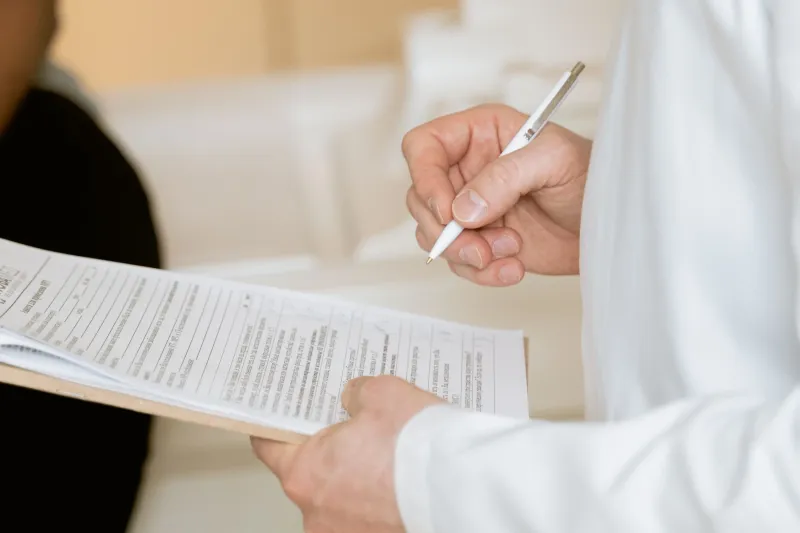
The centerpiece is a Health Risk Assessment, a questionnaire that asks about your habits, your home, your mood, your memory, and your family history. Some clinics mail it ahead; others ask you to complete it in the waiting room. Either way, the answers drive the rest of the appointment.
From there, the visit typically includes:
- A review of your medical and family history, plus an updated list of the clinicians and suppliers involved in your care
- Measurement of height, weight, body mass index, and blood pressure
- A cognitive assessment, which is a screening conversation rather than a formal neuropsychological battery
- A functional status review: how you manage stairs, bathing, driving, and hearing, and whether your home presents fall hazards
- Screening for depression and for social circumstances that affect health, such as food access or transportation
- A personalized prevention plan covering which screenings you are due for, which risk factors deserve attention, and what referrals or community programs might help
- A written schedule of the preventive services recommended for you over the next five to ten years
- Advance care planning, if you want it
You leave with a document. That document is the point of the exercise.
What the visit does not include
It is not a comprehensive physical examination. It does not include routine lab work, an electrocardiogram, or imaging; those are billed separately, and Medicare's coverage of them depends on the reason they are ordered. It does not manage your chronic conditions, adjust medications for diabetes or hypertension, or treat anything bothering you today. Vaccines fall under different benefit categories.
What it does do is force a structured pause, a moment when someone reviews the whole picture and writes down what should happen next. For patients juggling three specialists and nine prescriptions, that pause is frequently the only occasion in the year when anyone looks at the entire board.
Four questions to ask before you book
- How is this appointment being scheduled, as the Annual Wellness Visit or as an office visit for a problem? The answer determines what you will owe.
- Who conducts the visit? Some clinics use physicians; others use nurse practitioners, registered nurses, or a hybrid model. Ask, and decide whether the arrangement suits you.
- Will the Health Risk Assessment be sent in advance? Completing it at home, unhurried and with your medication bottles in front of you, produces far better information than filling it out in a waiting room chair.
- Can other items be coordinated the same day? Many clinics pair the wellness visit with lab work or a chronic-care appointment. Ask how each piece will be billed so there are no surprises.
What to bring: a checklist
- Photo identification and your Medicare card, plus any secondary coverage card
- Every medication in its original bottle, including over-the-counter products, vitamins, and supplements, or a written list with doses and prescriber names
- The name and location of the pharmacy you use
- Names and contact information for every clinician you see, including specialists, therapists, and anyone providing home care
- Immunization records, if you keep them
- Recent test results, imaging reports, or hospital discharge paperwork that may not have reached this clinic
- A brief family health history: parents, siblings, and children, with conditions and approximate ages of onset
- Notes on safety concerns, such as a fall in the past year, difficulty hearing in conversation, or stairs that have become troublesome
- Your advance directive or health care proxy paperwork, if you have one
- This list of questions, and a pen
If a family member or caregiver helps manage your health, bring them too. Two sets of ears catch more.
The reason it is worth the hour
An Annual Wellness Visit will not, by itself, change your health. What it can do is surface the things that quietly go unaddressed between appointments: a hearing loss politely ignored, a medication duplicated across two prescribers, a screening that fell off the schedule three years ago, a fall risk that has not yet produced a fall.
Those findings do not announce themselves. They have to be asked about. That is what the visit is for, and it is available to you every year at no cost, whether or not you feel unwell. If you cannot remember the last time you had one, that is probably your answer.