The Person Who Remembers Your Birthday: The Quiet Case for Staying With One Clinic
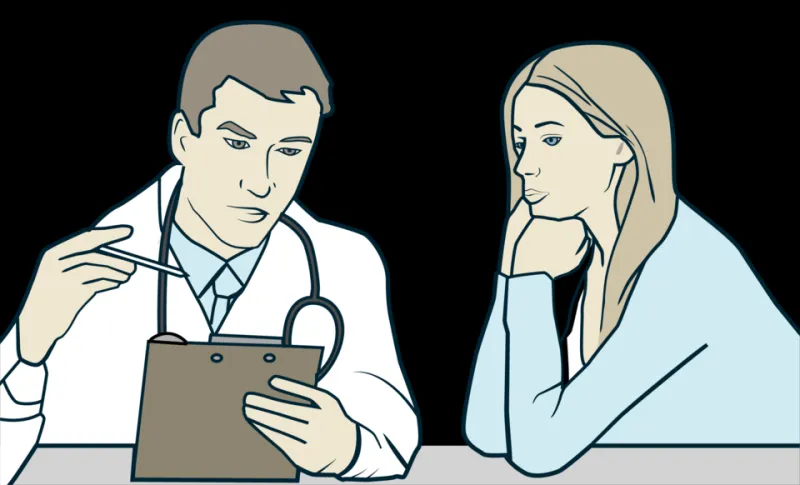
Most conversations about continuity of care center on physicians. Will your doctor know your history? Will they catch the subtle change in your labs? These questions matter, but they miss a quieter truth: by the time you reach the exam room, several people have already shaped your visit.
The scheduler who found you a slot before your prescription ran out. The medical assistant who remembered last winter that your blood pressure readings run higher when you're nervous. The receptionist who noticed you hadn't been in for your annual wellness visit — and mentioned it when you called about something unrelated.
At a neighborhood practice like Ariyoshi Satellite Clinic, this familiarity isn't incidental. It's structural, and it may be one of the most underrated assets in American healthcare.
The Front Desk as an Early Warning System
Consider what happens when the same people see you year after year. Patterns emerge that no single visit could reveal. A scheduler notices a patient who used to book promptly now cancels twice — sometimes a sign of something as simple as a transportation problem, sometimes a sign of depression or financial strain. A receptionist hears a subtle slur in a caller's voice and asks a follow-up question that leads to a same-day appointment.
None of this appears in a medical record. It lives in the accumulated attention of people who recognize you when you walk in.
Research on care continuity has long shown that patients with a consistent medical home experience fewer emergency department visits and better management of chronic conditions. What the studies measure less often is the human infrastructure behind those numbers — the staff whose institutional memory fills the gaps between appointments.
What Switching Actually Costs You
In an era when urgent care chains advertise five-minute waits and online marketplaces let you book a video visit with a stranger tonight, the temptation to shop around is real. And for genuinely episodic needs — a sprained ankle, a suspicious rash — convenience has its place.
But every switch resets a relationship. Your new clinic doesn't know that you always need a reminder call, or that your insurance changed last spring, or that your husband handles your scheduling because of your arthritis. Rebuilding that context takes visits, phone calls, and transferred records that may arrive incomplete.
For patients managing chronic conditions — diabetes, hypertension, heart failure — those gaps are not trivial. A missed referral or a duplicated medication can have real consequences. Staying put, by contrast, compounds a small advantage visit after visit.
Familiarity Is a Two-Way Street
Continuity also changes patient behavior. People are more likely to keep appointments, ask questions, and disclose embarrassing symptoms when they're talking to someone they trust. A patient who might shrug off a reminder postcard will often respond to a phone call from a staff member who knows her name.
There's a practical takeaway here for anyone evaluating a medical home: pay attention to how the non-clinical staff treat you. Do they ask questions that suggest they read your chart? Do they remember details from your last call? Warmth is pleasant, but pattern recognition is more valuable.
Building the Relationship Deliberately
If you're establishing care at a new clinic, a few habits accelerate the process:
- Use the same clinic for routine needs, not just urgent ones, so your record accumulates in one place.
- Introduce yourself to the front-desk team and mention any scheduling constraints or communication preferences.
- Keep your contact information current, so recall lists and follow-up calls actually reach you.
- Ask who to call for non-urgent questions, and use that channel — it trains the team on how best to help you.
None of this requires effort so much as consistency. The reward is a care team that notices when something is off, because they know what normal looks like for you.
The Case for Staying
Healthcare in the United States is increasingly designed for transactions: book, visit, leave, repeat elsewhere. But health itself unfolds over years, not appointments. The clinic that knows your story — including the parts told at the front desk rather than in the exam room — is positioned to catch what a rotating cast of providers cannot.
Choose a medical home the way you'd choose any long-term partnership: for the people, and for the memory they build on your behalf.